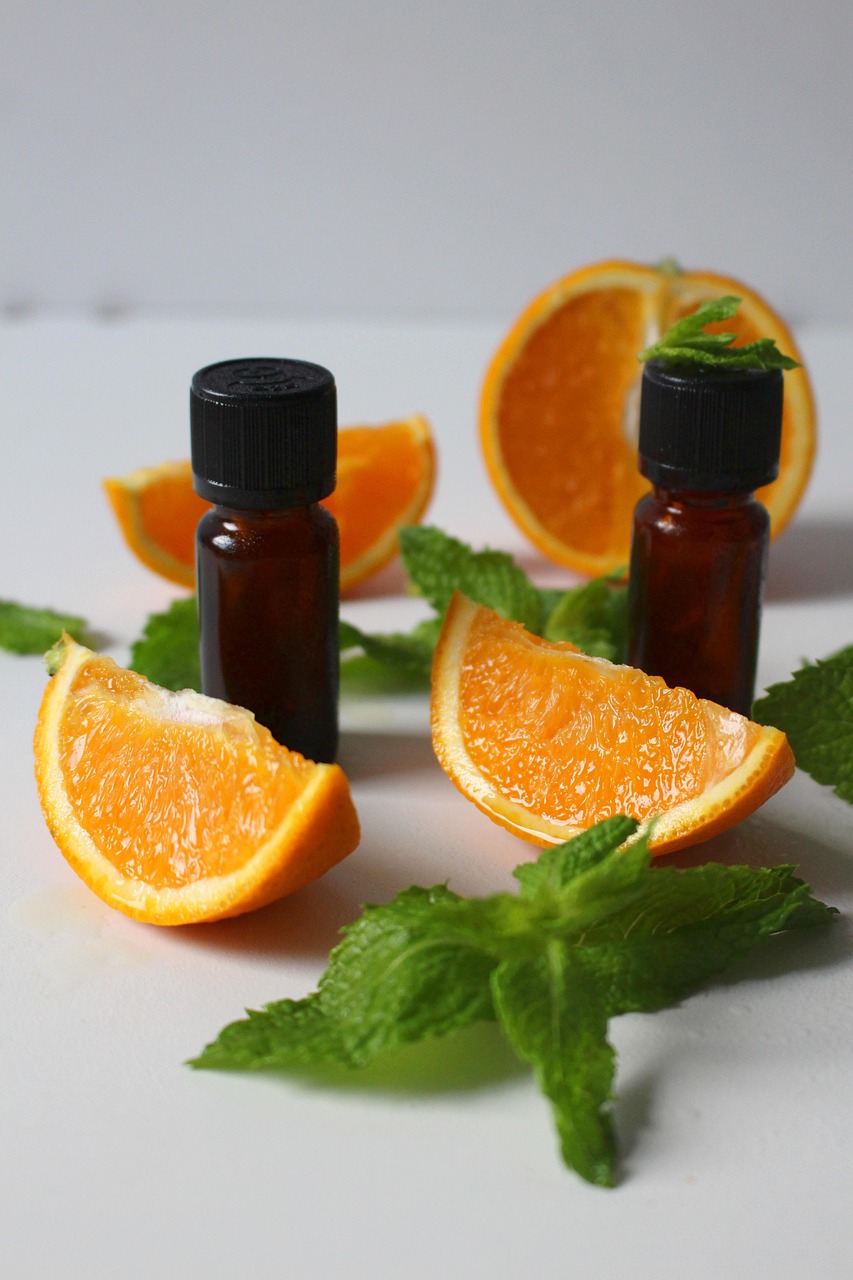
Orange Essential Oil
Orange essential oil (usually sweet orange / Citrus sinensis) is popular for its bright citrus scent and is commonly used for fragrance, mood, cleaning, and DIY personal care.
Common uses
- Diffuser blends for a fresh, uplifting scent
- DIY cleaners and deodorizing sprays
- Massage blends (well diluted)
- Bath or shower aromatherapy
- Homemade scrubs or candles
Scent profile
- Sweet
- Bright
- Citrusy
- Often paired with cinnamon, clove, peppermint, lavender, or cedarwood
Potential benefits (mostly based on scent experience, not strong medical evidence)
- Pleasant mood boost
- Freshening rooms
- Mild deodorizing
- Cleaning fragrance
Safety
- Dilute before skin use
- Citrus oils can sometimes cause skin irritation
- Some citrus oils can increase sun sensitivity (sweet orange is generally lower risk than bergamot or cold-pressed lime, but caution is still smart)
- Avoid eyes, mucous membranes, and ingestion unless professionally guided
- Keep away from pets, especially cats
Simple DIY room spray
- Distilled water
- Small amount of alcohol or witch hazel (to disperse oil)
- 10–15 drops orange oil in a spray bottle
Shake before each use.
Cleaning note
Orange oil smells clean and may help cut grease, but it is not a replacement for disinfectants when sanitation matters.
Storage
Keep in a cool, dark place; citrus oils oxidize faster than many others, which can increase skin sensitivity over time.
Bottom line
Orange essential oil is best for pleasant scent, freshening, and light DIY uses. It’s versatile and popular, but like all essential oils, it should be used carefully and realistically—not as a cure-all.
Recent Posts
Tea tree essential oil (from the leaves of the Melaleuca alternifolia) is well known
Essential oils for men are mostly about personal preference and intended use—there’s nothing inherently
Essential oils can be useful for travel mainly for scent, comfort, or routine, but
Essential oils and pets: the safest default is use extreme caution—especially with cats, birds,
Essential oils can help with sleep—but think of them as a gentle nudge, not
Using essential oils in cooking is one of those areas where “technically possible” doesn’t