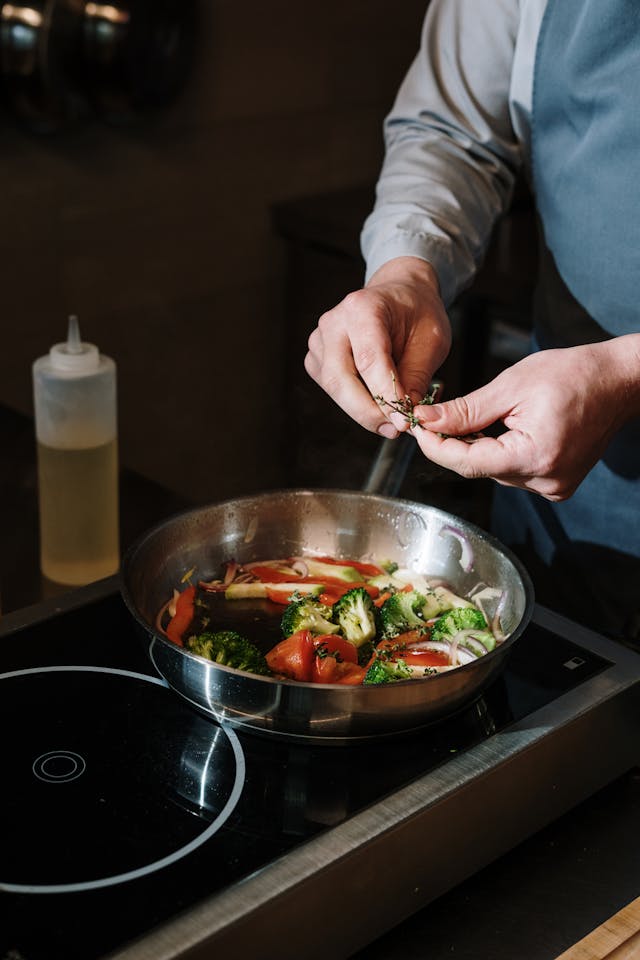
Cooking with Essential Oils
Using essential oils in cooking is one of those areas where “technically possible” doesn’t always mean “a good idea.” Some oils are food-grade and used by professionals, but they’re extremely concentrated and easy to misuse.
First: not all essential oils are edible
Most essential oils are made for aromatherapy or topical use—not ingestion. Only use oils that are explicitly labeled food-grade and safe for internal use by a reputable manufacturer.
Why people use them in food
Essential oils can deliver intense flavor without adding liquid. For example:
- Citrus oils for bright flavor in desserts
- Herb oils for sauces or marinades
- Spice oils for baking
They’re essentially super-concentrated versions of extracts.
Common food-safe oils (in very small amounts)
These are sometimes used in culinary settings:
- Lemon, orange, lime
- Peppermint
- Basil
- Oregano
- Rosemary
- Ginger
Even these can be irritating or unsafe if overused.
Dosage matters—a lot
Essential oils are far more concentrated than extracts.
- Start with toothpick dosing (dip a toothpick in oil, stir into food)
- Or use 1 drop in an entire recipe (not per serving)
- Never consume undiluted oils
Too much can cause burning sensations, digestive upset, or toxicity.
Better (and safer) alternatives
For most home cooking, you’ll get similar results with less risk using:
- Fresh herbs
- Zest from citrus fruits
- Extracts (like vanilla or peppermint extract)
- Infused oils (like garlic or chili oil)
When to avoid entirely
- Cooking for children, pregnant people, or pets
- If the oil isn’t clearly labeled for ingestion
- If you’re unsure about dosage
Bottom line
Essential oils can be used in cooking, but they’re more like a professional tool than a pantry staple. For everyday use, traditional ingredients are safer, easier to control, and just as flavorful.
Recent Posts
Tea tree essential oil (from the leaves of the Melaleuca alternifolia) is well known
Orange essential oil (usually sweet orange / Citrus sinensis) is popular for its bright
Essential oils for men are mostly about personal preference and intended use—there’s nothing inherently
Essential oils can be useful for travel mainly for scent, comfort, or routine, but
Essential oils and pets: the safest default is use extreme caution—especially with cats, birds,
Essential oils can help with sleep—but think of them as a gentle nudge, not