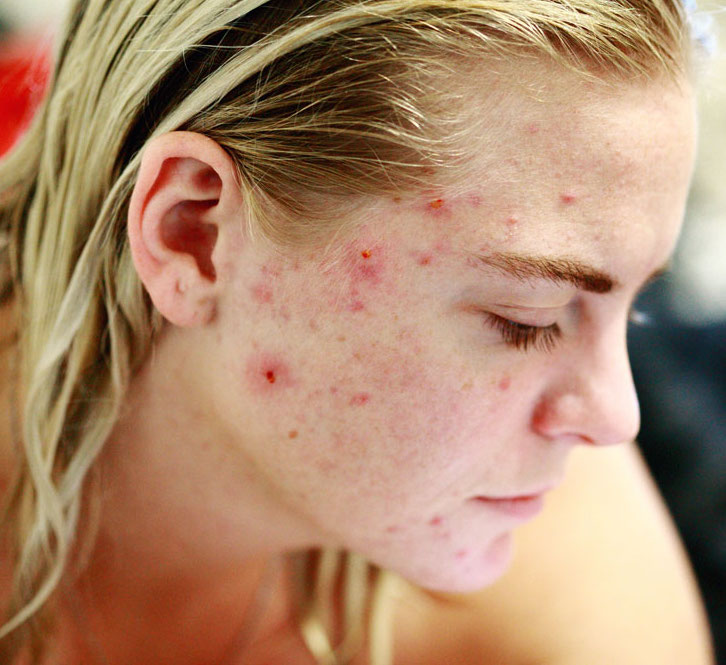
Essential Oils for Acne
Essential oils have gained popularity as natural remedies for various skin conditions, including acne. While not a substitute for medical treatment in severe cases, certain essential oils possess antimicrobial, anti-inflammatory, and sebum-regulating properties that may help reduce breakouts and promote clearer skin.
Top Essential Oils for Acne
- Tea Tree Oil
- Properties: Antibacterial, anti-inflammatory
- Benefits: Helps kill acne-causing bacteria (e.g., Cutibacterium acnes), reduce redness, and dry out pimples.
- Usage: Dilute with a carrier oil (e.g., jojoba or coconut oil) before applying to skin.
- Lavender Oil
- Properties: Calming, antimicrobial, healing
- Benefits: Reduces inflammation, promotes healing, and soothes irritated skin.
- Usage: Can be used in spot treatments or mixed into moisturizers.
- Rosemary Oil
- Properties: Antioxidant, antibacterial, astringent
- Benefits: Helps reduce excess oil production and tighten pores, preventing future breakouts.
- Usage: Dilute and apply to acne-prone areas or use in a steam facial.
- Frankincense Oil
- Properties: Anti-inflammatory, skin-regenerating
- Benefits: Promotes healing of scars and may help even skin tone over time.
- Usage: Often used in facial oils or serums for long-term skin repair.
- Clary Sage Oil
- Properties: Balances hormones, antibacterial
- Benefits: Particularly helpful for hormonal acne; reduces oil production and fights bacteria.
- Usage: Apply diluted to affected areas or incorporate into facial care routines.
Tips for Safe Use
- Always dilute essential oils with a carrier oil before applying them to your skin to prevent irritation or allergic reactions.
- Patch test on a small area of skin before full application.
- Avoid sun exposure after using citrus-based oils like lemon or bergamot, as they can increase photosensitivity.
- Consult a dermatologist if you have persistent, cystic, or severe acne.
Final Thoughts
Essential oils can be a beneficial addition to an acne skincare routine, especially for those seeking natural alternatives. However, they work best as complementary treatments rather than stand-alone cures. Consistency, proper dilution, and attention to your skin’s reactions are key to safely incorporating them into your regimen.
Would you like a DIY acne spot treatment recipe using essential oils?
Recent Posts
Tea tree essential oil (from the leaves of the Melaleuca alternifolia) is well known
Orange essential oil (usually sweet orange / Citrus sinensis) is popular for its bright
Essential oils for men are mostly about personal preference and intended use—there’s nothing inherently
Essential oils can be useful for travel mainly for scent, comfort, or routine, but
Essential oils and pets: the safest default is use extreme caution—especially with cats, birds,
Essential oils can help with sleep—but think of them as a gentle nudge, not